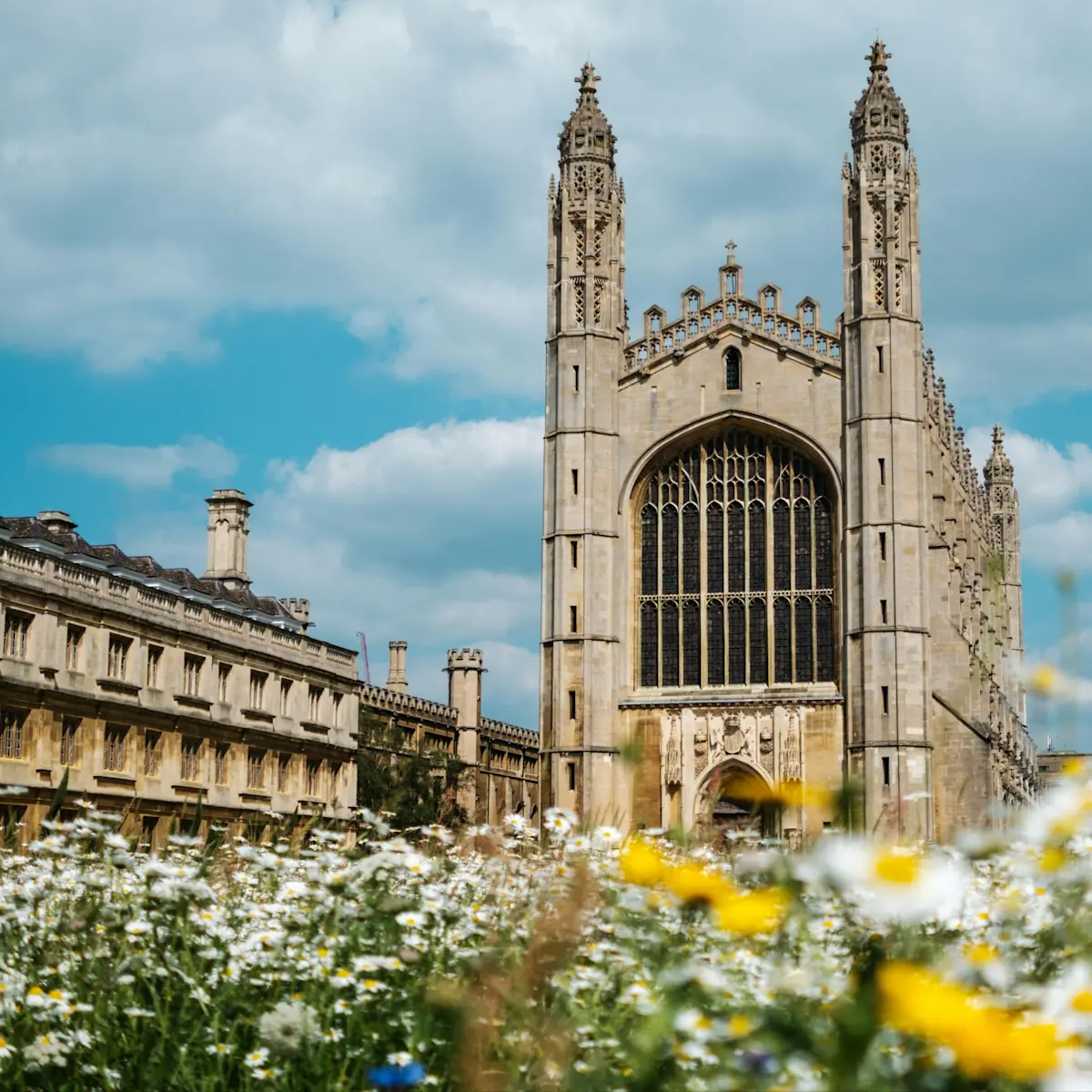
We look forward to welcoming you to the city and the University! Cambridge is a historical town north of London, with first settlements dating back to Roman times. It is most famous for the University of Cambridge and its 31 colleges, which are located in and around the city centre.
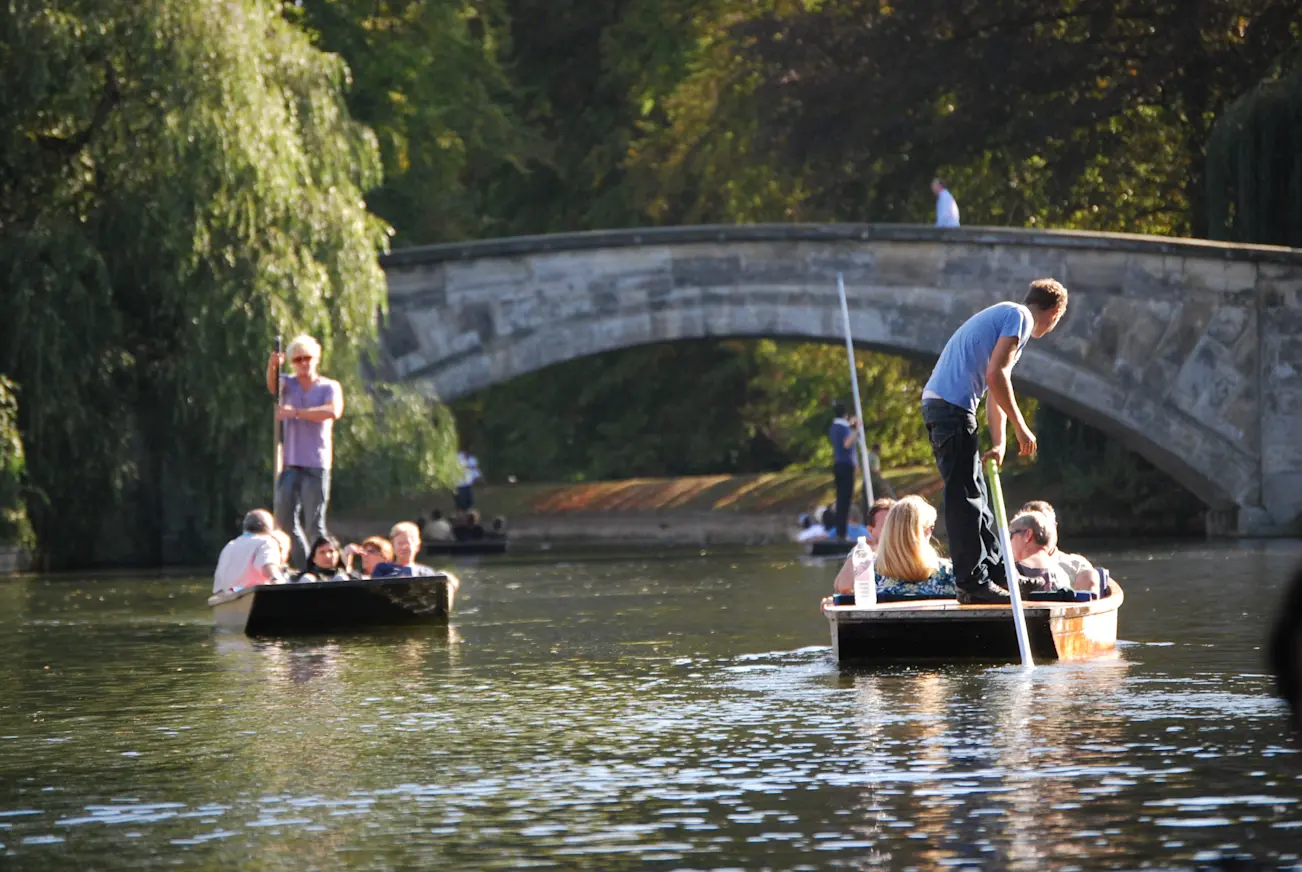
Popular activities in Cambridge include punting on the River Cam and exploring the many small shops, museums and the town’s rich history. However, Cambridge does not just have tourist appeal.
Photograph is of King's College, Cambridge, by Chris Boland.
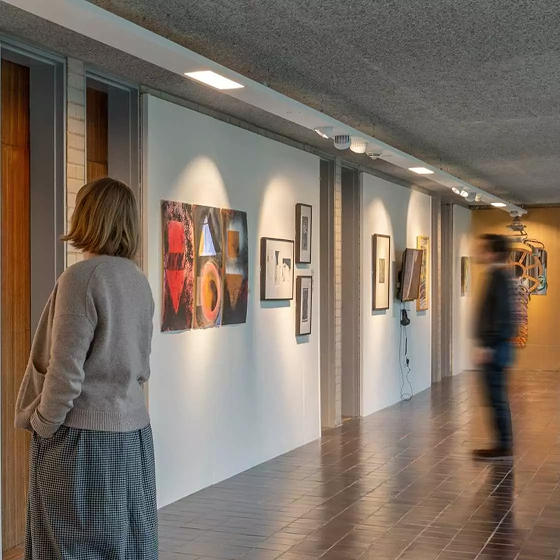
Murray Edwards College is home to the Women’s Art Collection, the largest public collection of art by Women in Europe (and the second largest in the world). Self-guided tour packs available from the Porters’ Lodge or you can download the ‘Bloomberg Connections’ app for a digital self-guided tour.
There is currently an exhibition running called ‘Relative Ties’. Visitors are free to explore the site and the collection which can be found across the grounds and in the dedicated exhibition space (Lower Fountain Court).
Explore what Cambridge has to offer from Visit Cambridge and Cambridge Tourist Information.
If you have more time, there are lots of options to explore just outside Cambridge too. Here are some of our suggestions.
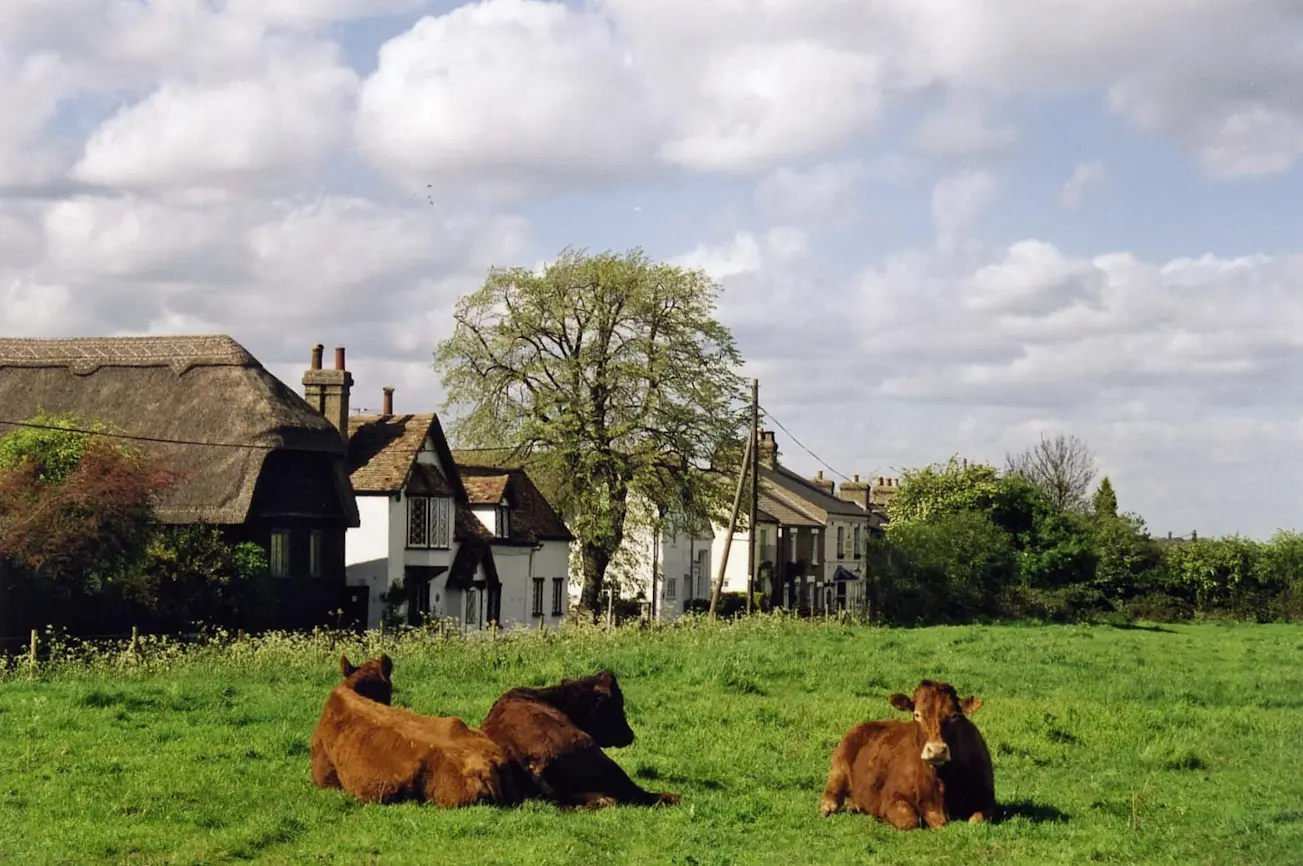
Grantchester is a charming village a few miles from Cambridge. You can even get there by punt!
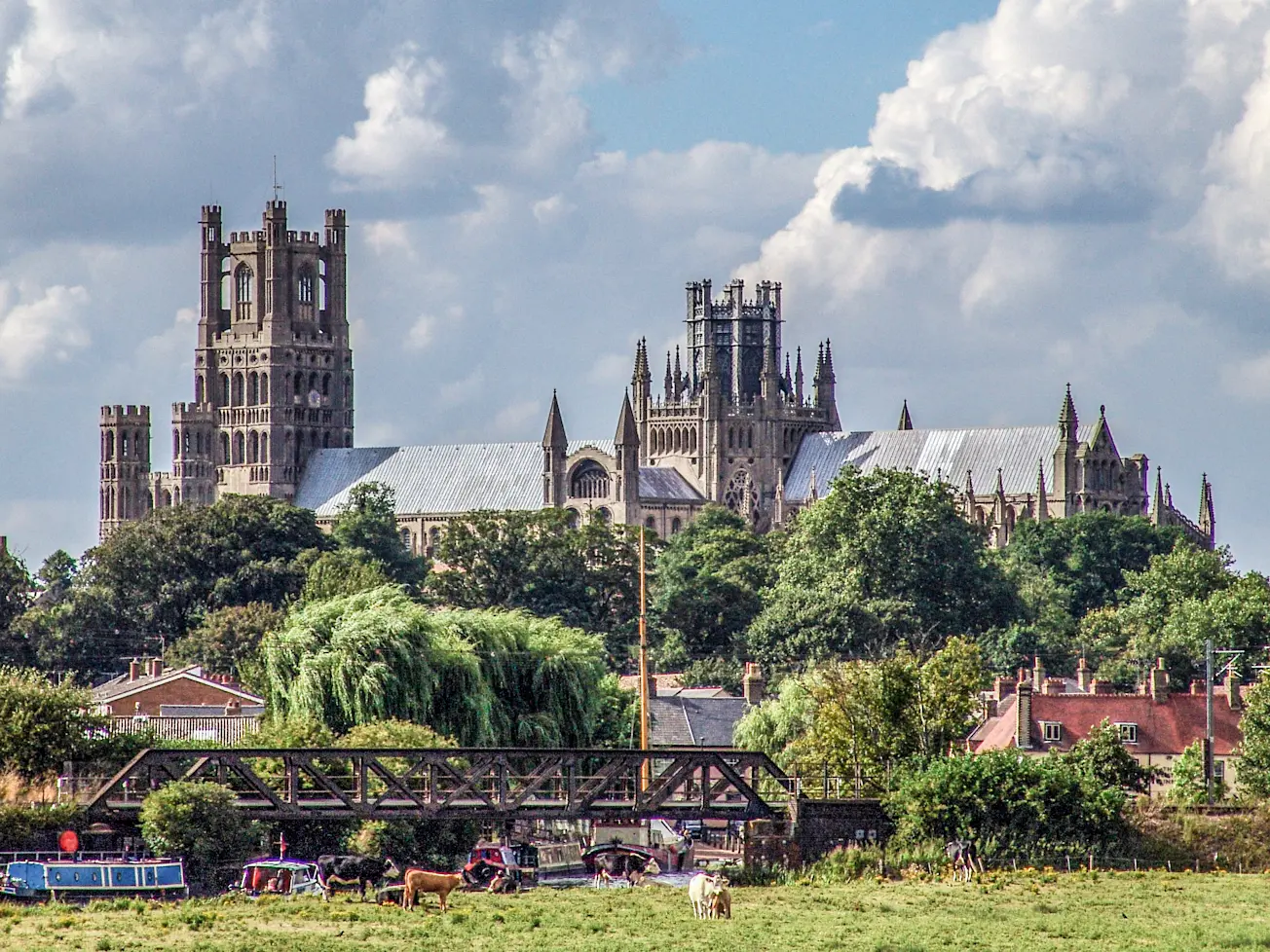
Ely is a short train ride away from Cambridge, hosting a stunning cathedral, Oliver Cromwell's house and the Stained Glass Museum.
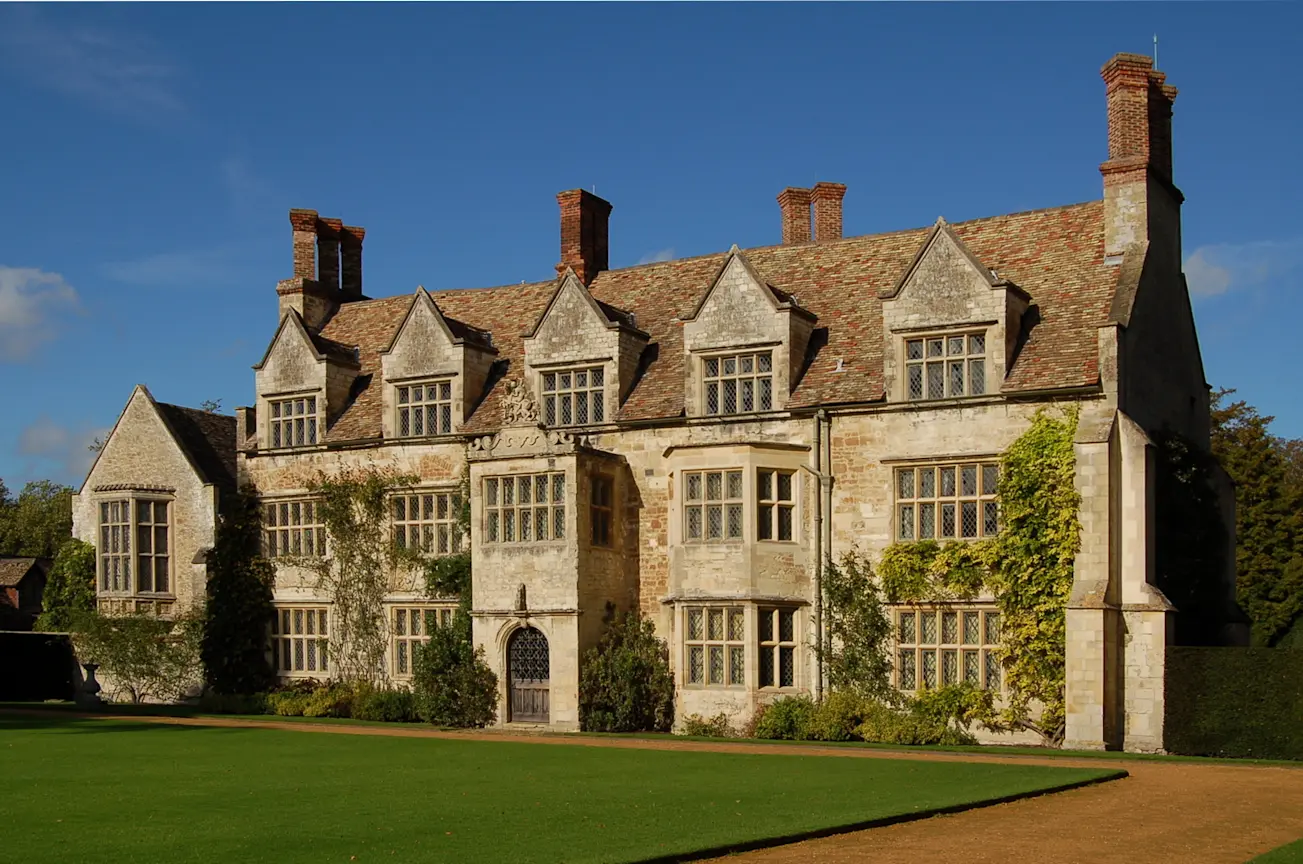
A 30 minute bus ride from Cambridge is Anglesey Abbey, Gardens and Lode Mill. An imposing stately home dating back to the 12th century. You can get a free hot drink at the cafe when you show your bus ticket.
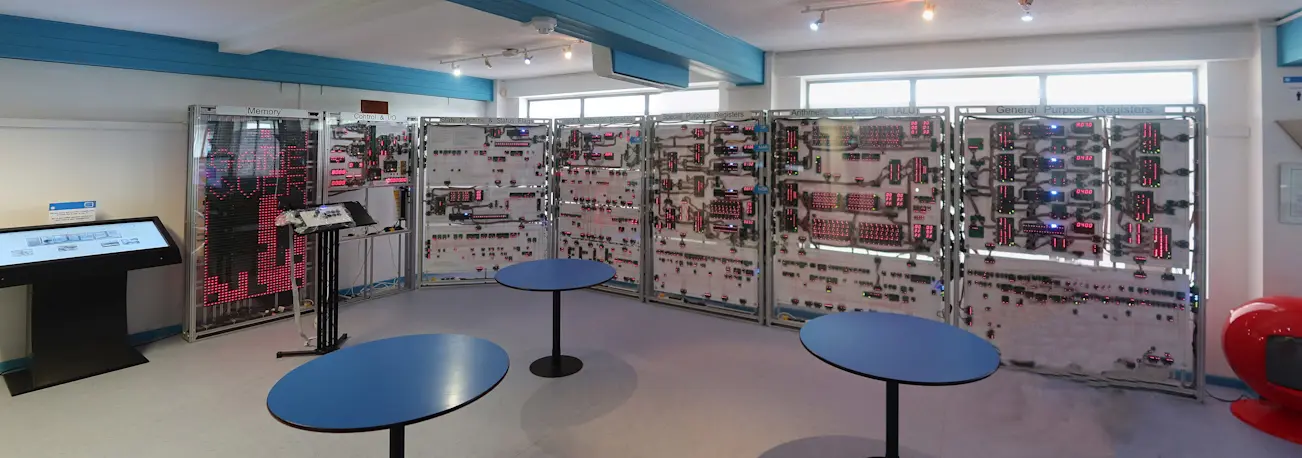
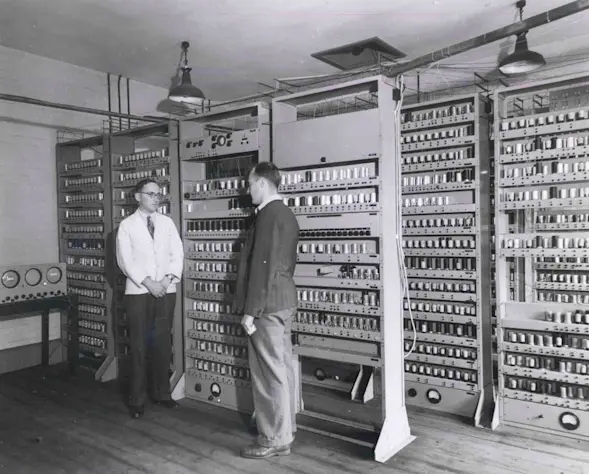
The city has deep-rooted connections with computing and computing education, beginning, of course, with notable University of Cambridge alumni Charles Babbage and Alan Turing. In 1949, Professor Sir Maurice Wilkes of the University’s Mathematical Laboratory led the building of the EDSAC computer, which became the world’s first stored-program computer to enter regular service. After running a series of computing summer schools and other less formal programmes, the new department launched the world’s first formal course in computer science in 1953: The Diploma in Numerical Analysis and Automatic Computing.
More recently, Cambridge inspired the creation of the Raspberry Pi microcomputer and is now home to the Raspberry Pi Foundation as well as the Raspberry Pi Computing Education Research Centre.
Check out the updated full schedule for our two days together!

Blockly is an open source project of the Raspberry Pi Foundation, a UK registered charity (1129409), supported by Google.